

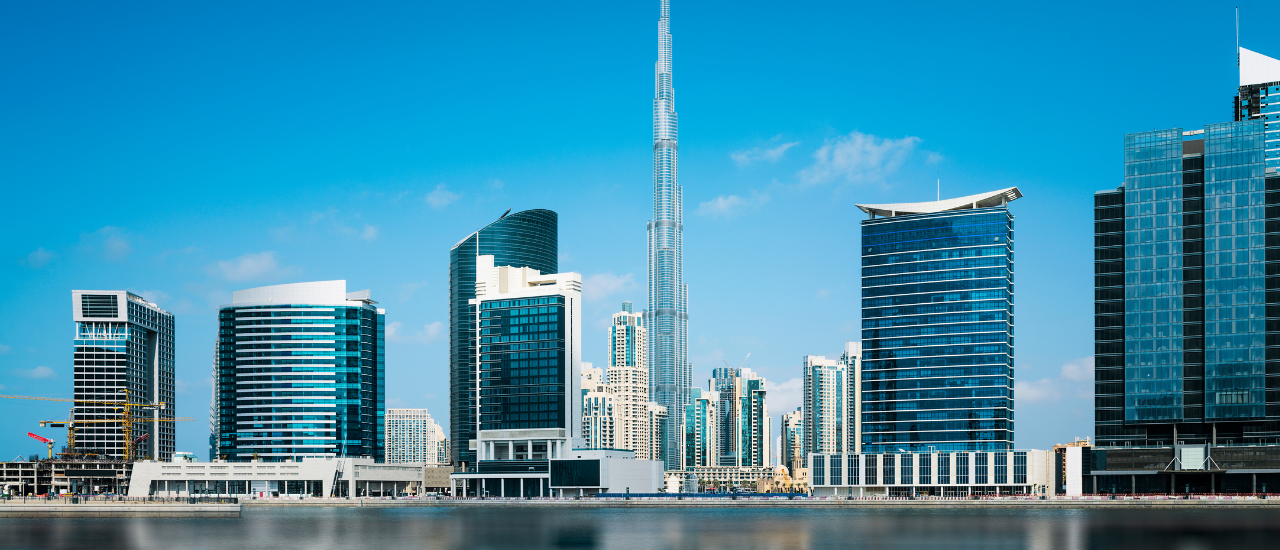
The Dubai property market is entering 2026 with strong momentum, shaped by shifting buyer behavior, government policies, and global investment flows. Over the past few years, Dubai has proven its resilience, and the property market is now evolving in smarter, more structured ways.
From off-plan demand to rental yield growth, these trends are already influencing decisions across the city. If you are an investor, buyer, or industry professional, understanding what’s coming next matters.
Below are the 9 key trends that will define Dubai’s real estate landscape in 2026.
1. Off-Plan Properties Continue to Dominate Buyer Interest
Off-plan real estate is expected to remain one of the strongest segments in 2026. Flexible payment plans, lower entry prices, and higher appreciation potential continue to attract both local and overseas investors.
Developers are offering extended post-handover plans, making it easier for buyers to enter the market without heavy upfront capital. This structure suits end-users as well as long-term investors looking for capital growth rather than immediate rental income.
Another reason for rising off-plan demand is better regulation. Escrow laws and improved transparency have increased buyer confidence, reducing the risk traditionally associated with off-plan investments.
2. Prime Locations Are Seeing Limited Supply
Established areas such as Downtown Dubai, Dubai Marina, Palm Jumeirah, and Business Bay are experiencing limited new supply. As available land decreases, prices in these locations are expected to remain stable or rise steadily through 2026.
Buyers are increasingly prioritizing location over size. Proximity to transport, lifestyle amenities, and business hubs is becoming more valuable than larger unit layouts.
This trend is also pushing developers to focus on redevelopment projects and premium upgrades rather than large-scale expansions in core zones.
3. Shift Toward End-User Driven Demand
One noticeable change is the growing number of buyers purchasing homes for personal use rather than short-term investment. Long-term residency visas, stable employment opportunities, and lifestyle benefits are encouraging residents to settle permanently in Dubai.
This shift is influencing project designs. Developers are focusing more on practical layouts, storage space, green areas, and community features rather than purely luxury elements.
As a result, communities designed for families and professionals are expected to outperform speculative projects in 2026.
4. Sustainable and Smart Homes Are Becoming Standard
Sustainability is no longer a niche preference. Energy-efficient buildings, smart home systems, and eco-friendly construction materials are becoming expected features.
Government initiatives supporting green building standards are pushing developers to adopt sustainable practices. Buyers are also becoming more aware of the long-term cost savings associated with energy-efficient homes.
In 2026, properties with smart automation, solar integration, and sustainable certifications are likely to enjoy higher demand and better resale value.
5. Strong Rental Yields Continue to Attract Global Investors
Dubai remains one of the few global cities offering strong rental yields along with tax advantages. In many communities, rental returns continue to outperform mature international markets.
Population growth, tourism recovery, and business expansion are driving rental demand across multiple segments, including mid-income housing and premium residences.
This trend is regularly highlighted in Dubai property market news, especially as international investors seek stable, income-producing assets amid global uncertainty.
6. How the Dubai Property Market Is Evolving in 2026
Dubai property market and data-driven decision making
The Dubai property market in 2026 is becoming more data-focused. Buyers and investors are relying on market reports, transaction history, and price analytics before making decisions.
Digital platforms and property tech tools are making market insights more accessible. This shift is reducing speculation and encouraging informed investments based on real demand rather than hype.
Developers are also using data to better plan supply, which may help avoid the oversupply cycles seen in earlier years.
7. Dubai Property Market Trends in Emerging Communities
Dubai property market growth beyond central areas
The Dubai property market is expanding beyond traditional hotspots. Areas such as Dubai South, Arjan, Jumeirah Village Circle, and parts of Dubailand are attracting attention for their affordability and infrastructure development.
Improved road networks, new schools, retail centers, and healthcare facilities are increasing the appeal of these communities. Buyers who were previously priced out of central locations are finding strong value in these emerging zones.
In 2026, these areas are expected to deliver steady appreciation rather than rapid spikes, making them suitable for long-term investment strategies.
8. Regulatory Stability Builds Investor Confidence
Dubai’s real estate regulations continue to mature. Clear ownership laws, streamlined transaction processes, and investor-friendly policies are creating a stable environment.
This regulatory clarity is one of the main reasons international investors feel comfortable committing long-term capital to Dubai. Compared to many global markets, policy consistency remains a key strength.
Stable regulations also support market transparency, which is crucial for maintaining trust during periods of growth.
9. Branded Residences and Lifestyle Living on the Rise
Another noticeable trend is the growth of branded residences. Luxury brands are partnering with developers to offer lifestyle-focused properties with hotel-style services.
These projects appeal to high-net-worth individuals looking for prestige, convenience, and managed living. While priced higher, branded residences often command premium resale values and strong rental demand.
This segment is expected to expand further in 2026, especially in prime and waterfront locations.
The Real Estate Market of Dubai in 2026
The Dubai property market in 2026 is expected to remain resilient, structured, and opportunity-driven. With strong off-plan demand, stable rental yields, expanding communities, and improved regulation, the market is shifting toward long-term sustainability rather than short-term speculation.
Understanding these trends early allows buyers and investors to make smarter decisions aligned with future growth rather than current momentum.
FAQs
Is the Dubai property market a good investment in 2026?
Yes, the Dubai property market remains attractive due to strong rental yields, tax advantages, population growth, and regulatory stability. However, success depends on choosing the right location and property type that align with long-term goals.
Which areas are expected to grow the most?
Emerging communities with ongoing infrastructure development are expected to see steady growth. Established prime areas will likely maintain value due to limited supply.
Are off-plan properties still safe to buy?
With improved regulations and escrow protections, off-plan properties in Dubai are considered safer than before. Buyers should still research the developer’s track record and project fundamentals.
What property types will perform best in 2026?
Apartments in well-connected communities and family-focused townhouses are expected to perform well. Properties with practical layouts, amenities, and easy access to transport will see stronger demand than oversized luxury units.
How does Dubai compare to other global property markets?
Dubai offers higher rental yields, no property tax, and a simpler buying process compared to many global cities. This makes it attractive to investors seeking both income and long-term value preservation.
Should buyers wait or invest in the Dubai property market now?
Timing the market perfectly is difficult. Buyers with a long-term view often benefit more from entering early in stable growth phases than from waiting for price dips that may not align with quality inventory.